(Artificial) flower power

Artificial flowers are becoming increasingly popular and are no longer the dusty alternative for those without a green thumb.
Especially in the higher-end segment, everything revolves around refined details: the materials, the colour of the leaves and the overall appearance.
Recently, two Danish parties faced off in a dispute over the design registration of a cream-white hydrangea. The complainant’s objection? The flower looked too real, too natural. In other words, no creative choices were made and the flower therefore lacked any true design. According to the complainant, a life-like flower cannot qualify as a design. They also argued that the design was no longer new and lacked individual character. As evidence, the complainant submitted images of existing artificial cream-white hydrangeas.
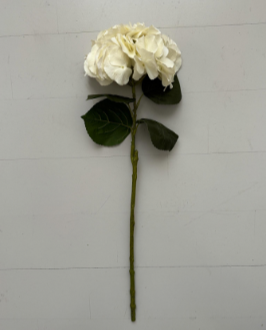
Design registration artificial hydrangea
The European Union Intellectual Property Office (EUIPO), however, disagreed. An artificial flower is a product resulting from a manual or industrial process. Even when its shape closely resembles nature, it can still constitute a design. The fact that the product is described as “lifelike” does not change this.
But was the design new, and did it have individual character? The EUIPO assessed the submitted disclosures. The evidence proved insufficient: no traceable sources, no URLs, unclear or missing dates, or photos where the alleged earlier design was not fully visible. Without solid proof, there is no evidence that the design was previously made available to the public. The cancellation action was therefore rejected.
Could the complainant have submitted photos of real flowers to show that the design was no longer new? No. A design can only be compared with other designs. A real flower is not a design.
An artificial flower can therefore be a valid design. But does that mean the design holder can prohibit every artificial hydrangea? That remains to be seen. Especially if an opposing party does better homework and presents earlier, traceable designs, a court will have to focus on the specific design choices reflected in the registered model. Only if those specific choices also appear in the overall impression of another design can there be an infringement. In other words: the more crowded the landscape of similar designs, the narrower the scope of protection becomes.
Author: Arnaud Bos
Bio: Arnaud is trademark attorney and within Knijff responsible for the marketing & communication. Arnaud is specialist in the metaverse and music sectors and his client portfolio includes many upcoming and renowned bands. He keeps a close eye on the latest case law in the EU and will let you know when he sees remarkable applications.